Kamasutra Positions
All the real Kamasutra positions: detailed descriptions, illustrations and practical tips to make the most of your pleasure.
ExploreIllustrated guide • 64 entries
Explore
64 results
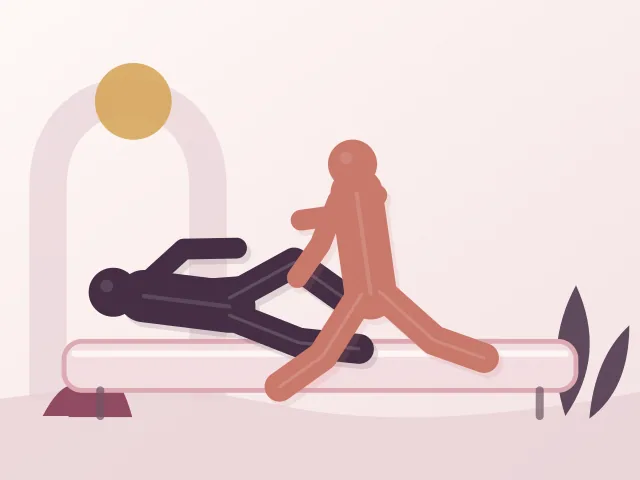
The Doggy Style
A position where the woman is on all fours and the man penetrates from behind.
View guide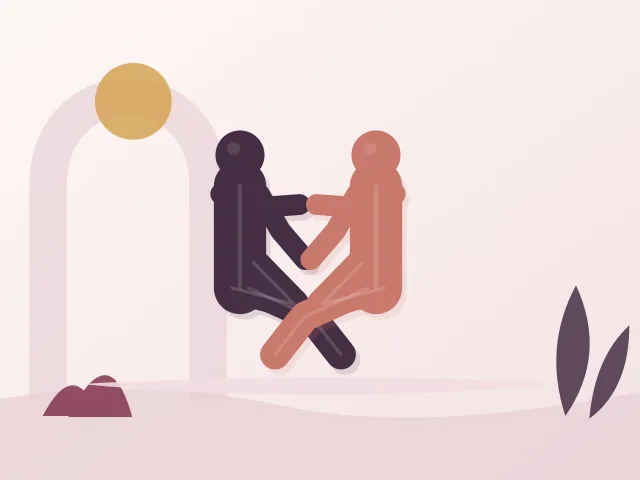
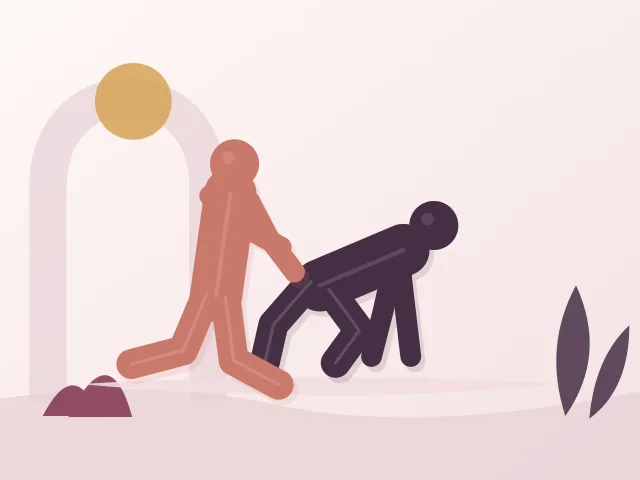
The Lotus
A sitting position face to face with legs intertwined, fostering intimacy and emotional connection.
View guide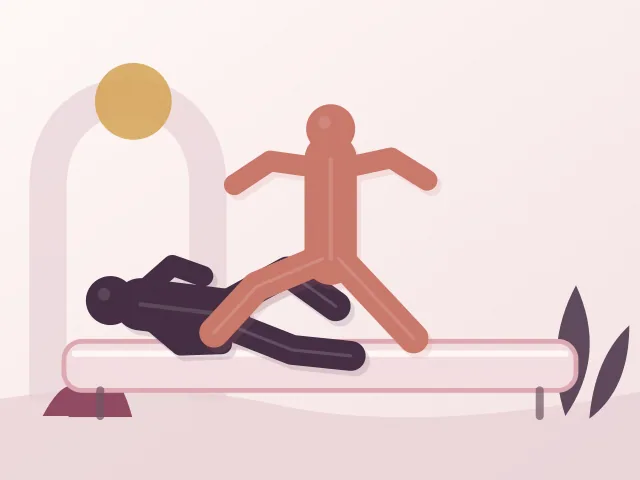
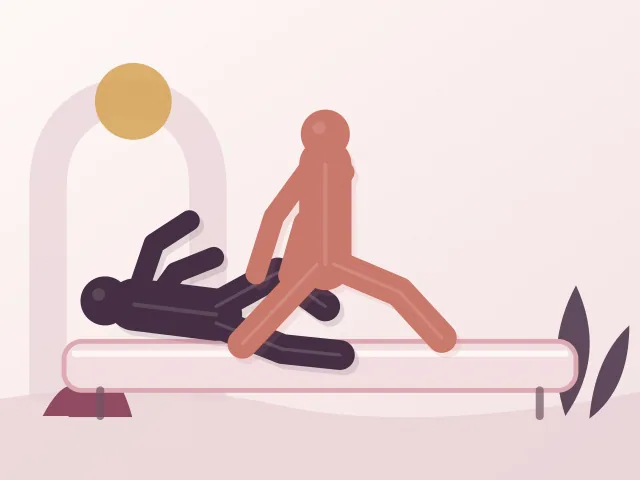
The Plough
A position where the man lies on his back and the woman is on top of him, facing his feet.
View guide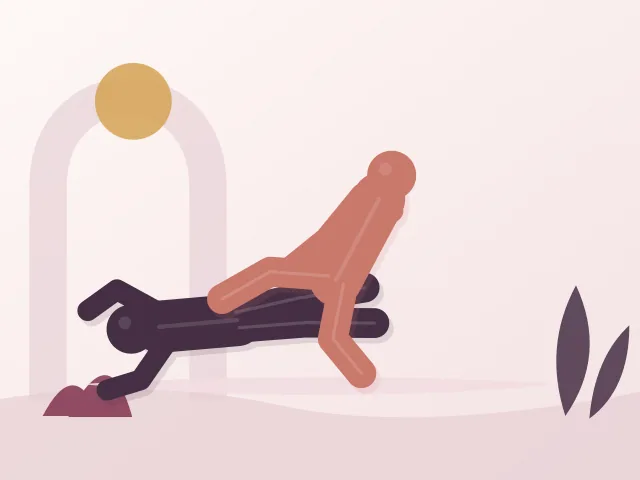
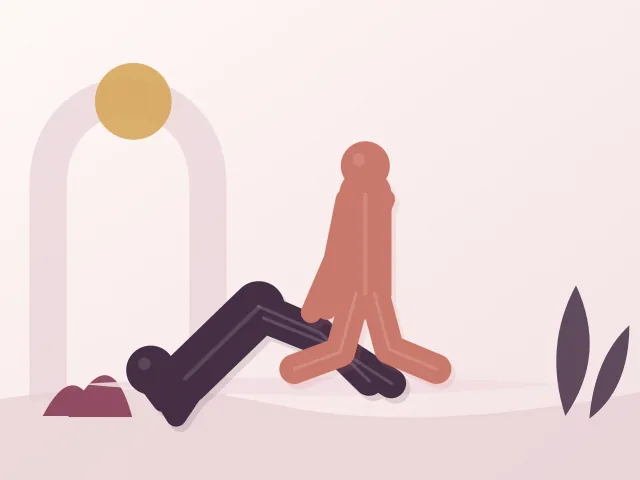
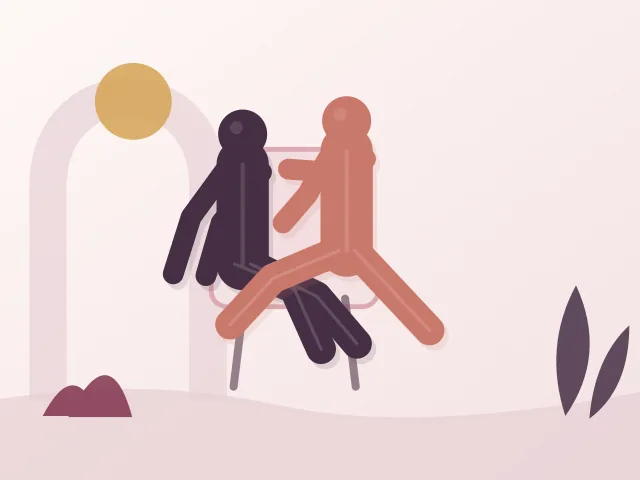
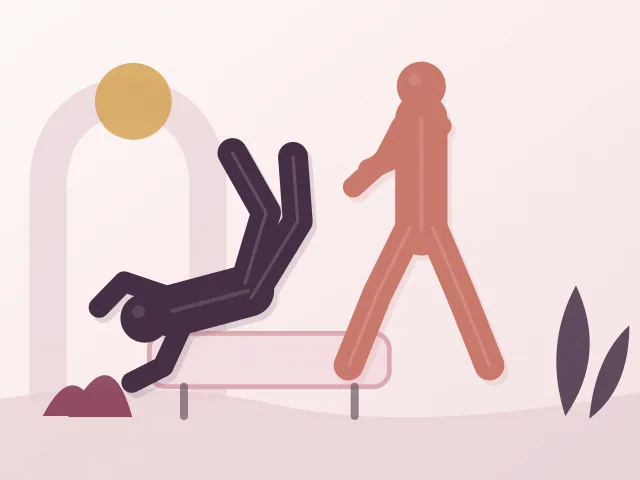
The Swing
A dynamic position where partners swing rhythmically, creating a sensation of movement.
View guide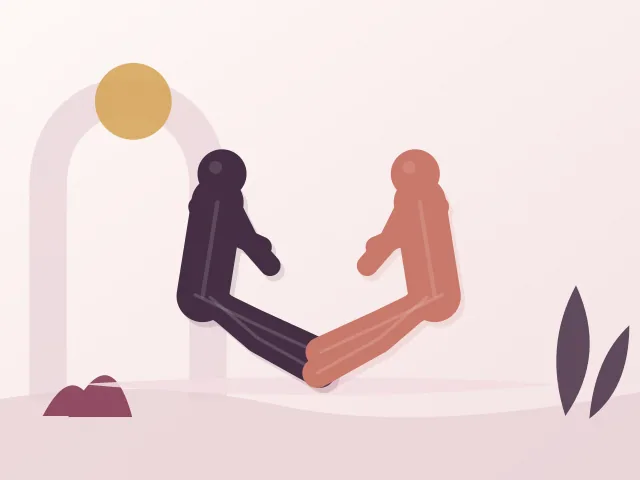
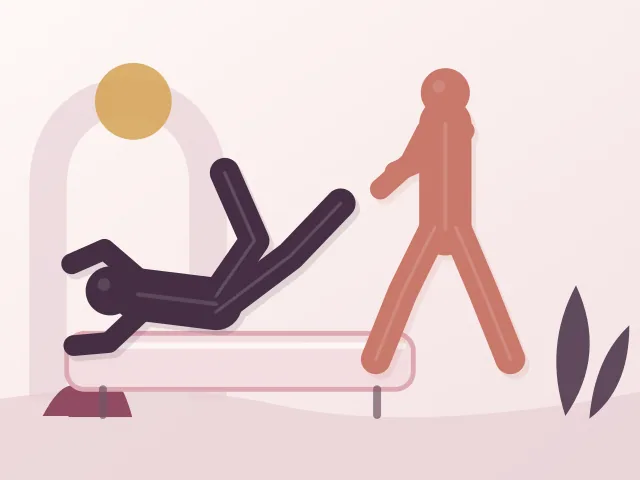
The Butterfly
A position where the woman's legs are extended and spread, resembling butterfly wings.
View guide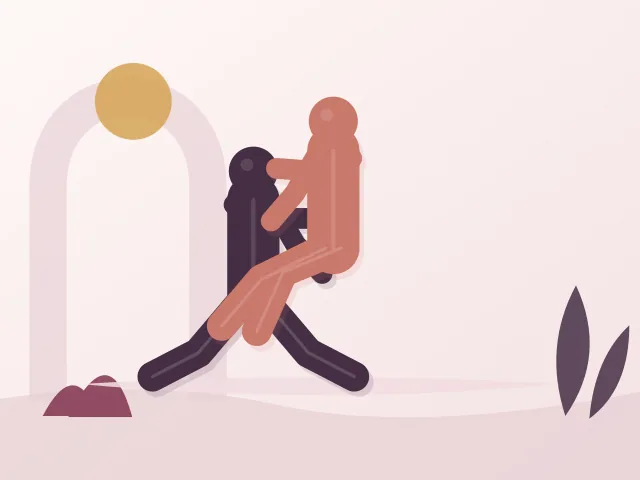
The Squire
A position where the man kneels and supports the woman, who is sitting on his thighs.
View guide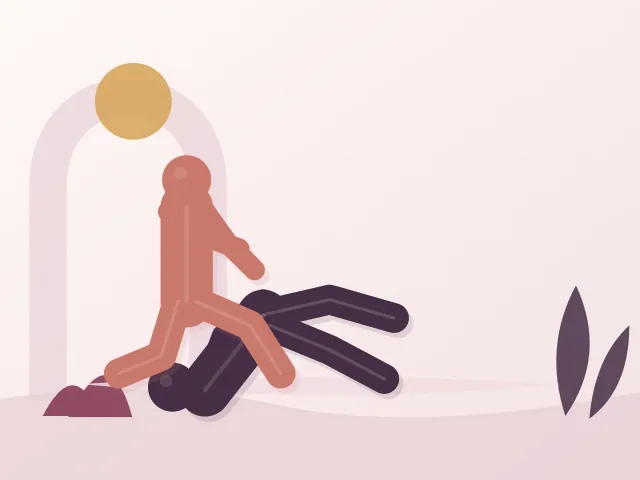
The Bow
A position where partners lean forward, forming a bow with their bodies for a unique penetration.
View guide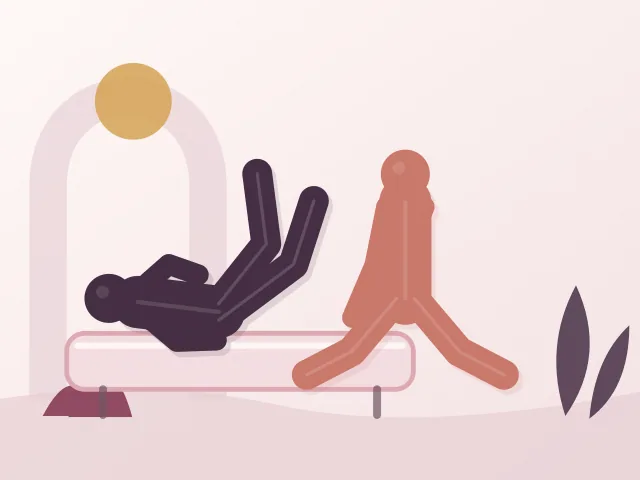
The Well
A position where the woman lies on her back with her legs elevated, while the man stands or kneels in front of her.
View guide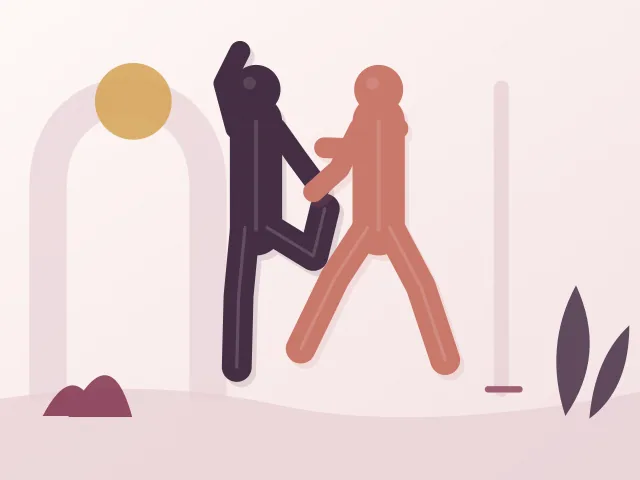
The Dancer
The woman performs graceful and rhythmic movements, similar to a dance, while being on top of the man.
View guide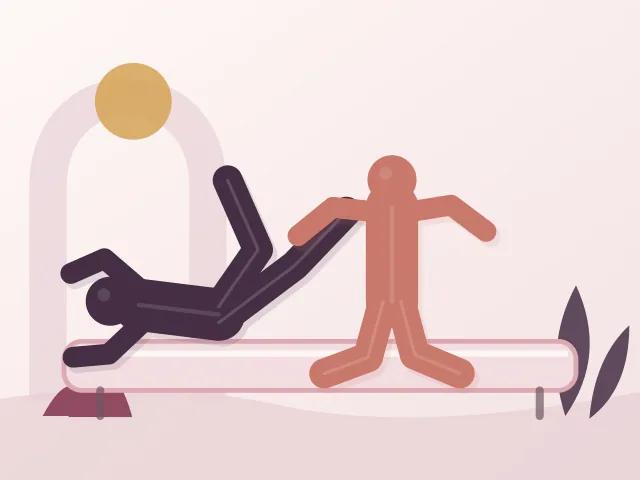
The Eagle
A position where partners embrace tightly, with arms extended like an eagle's wings.
View guide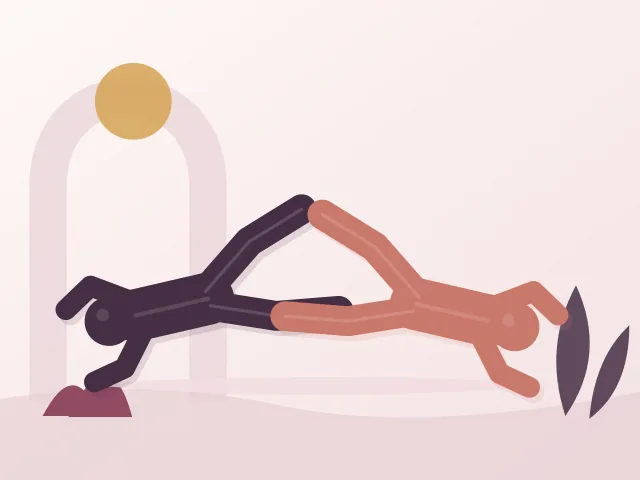
The Star
A position where partners form a star with their bodies, spreading legs and arms to maximize contact.
View guide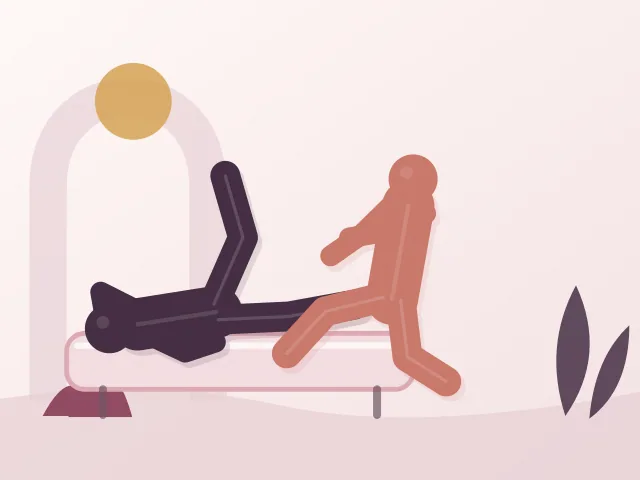
The Angle
A position where partners form an angle with their bodies, allowing easy and comfortable penetration.
View guide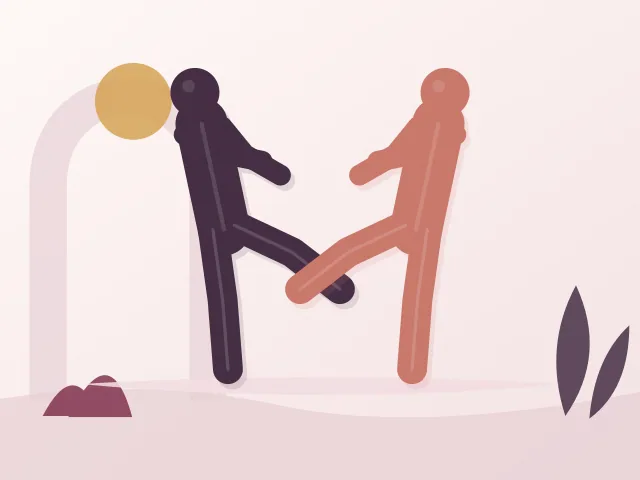
The Balance
A position where partners hold themselves in balance, often holding hands, for synchronized penetration.
View guide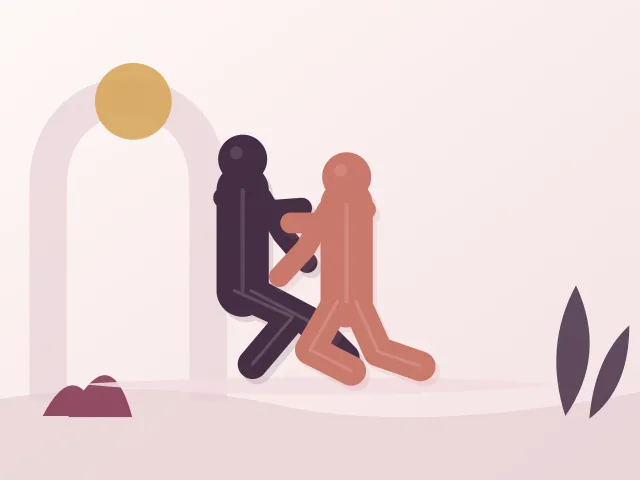
The Embrace
A position where partners embrace tightly, fostering an emotional connection and gentle penetration.
View guide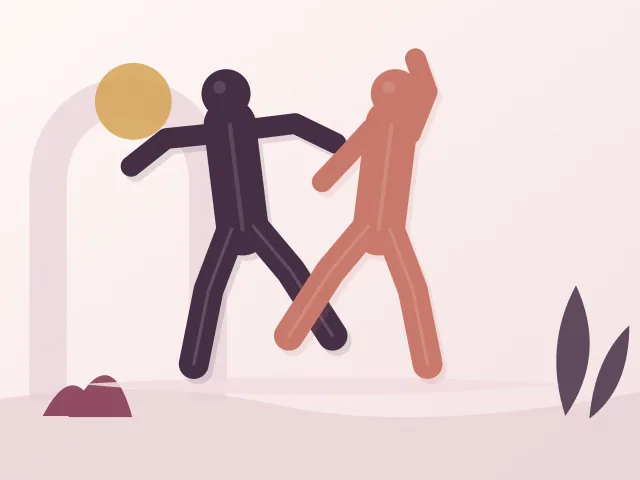
The Bourrée
A position inspired by the bourrée dance, where partners move rhythmically while maintaining contact.
View guide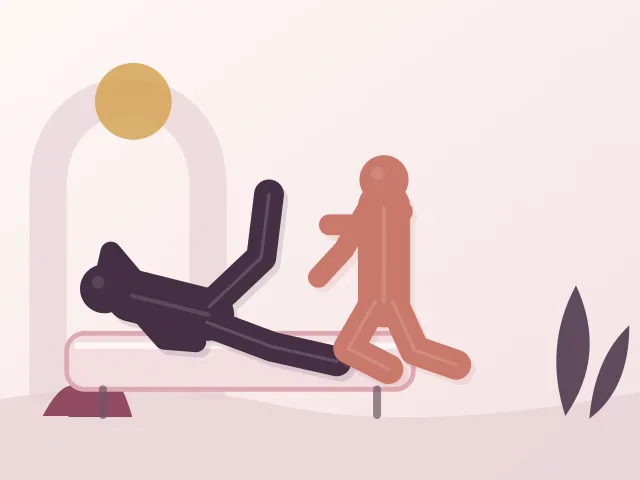
The Coquette
A position where the woman adopts a seductive posture, attracting the man's attention for an elegant penetration.
View guide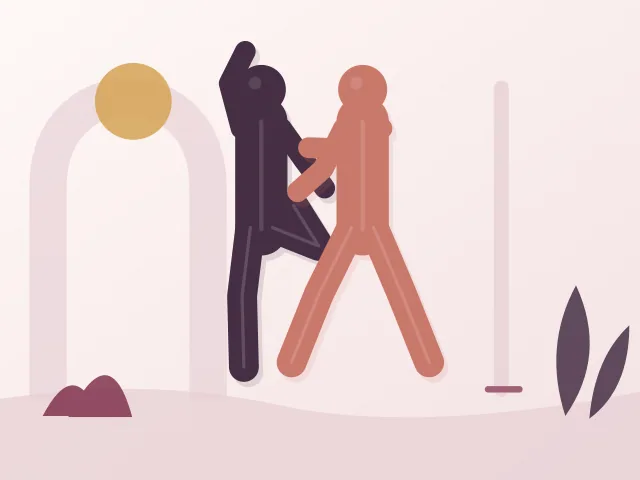
The Cherry Tree
A position where partners stand, appearing to extend like the branches of a cherry tree.
View guide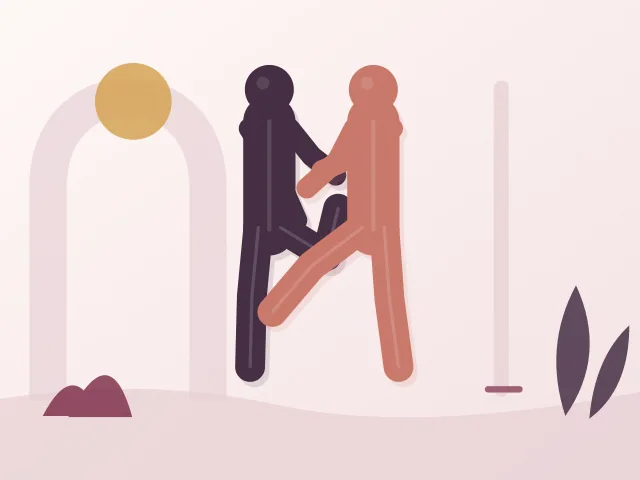
The Stork
A position where the man stands while the woman leans on him, similar to how a stork stands.
View guide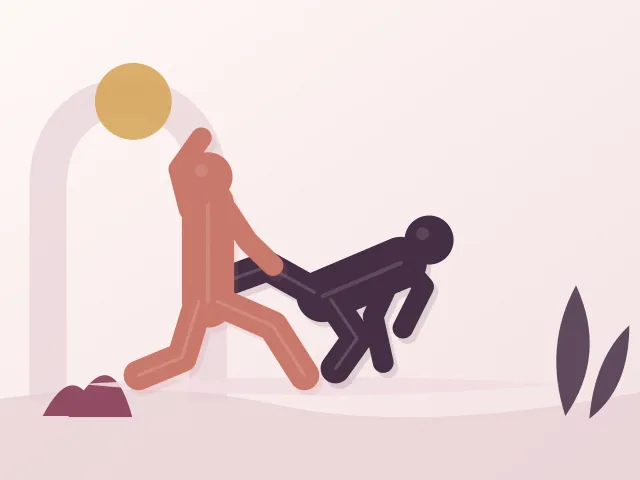
The Rooster
A dynamic position where the man is in a dominant position, similar to the posture of a rooster.
View guide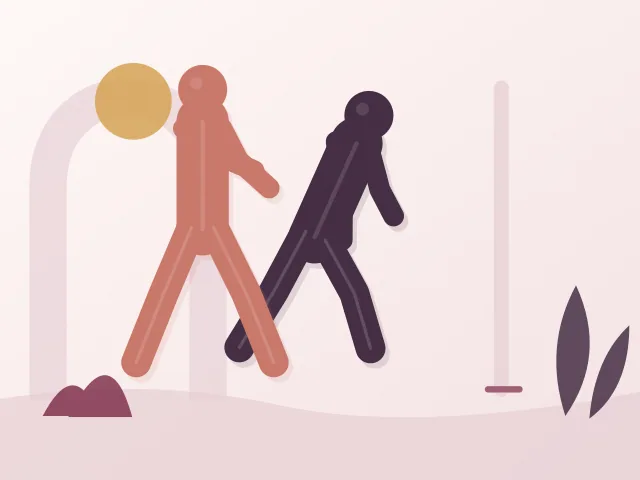
The Stag
A robust position where partners adopt an imposing posture, reminiscent of a stag's stature.
View guide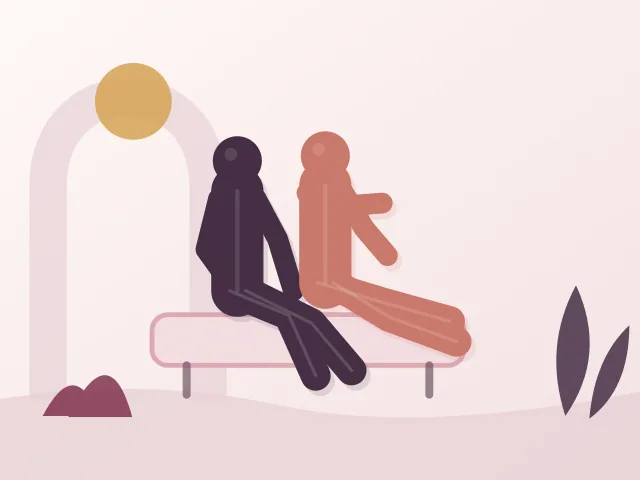
The Caravan
A position where partners sit in a line, forming a caravan for synchronized penetration.
View guide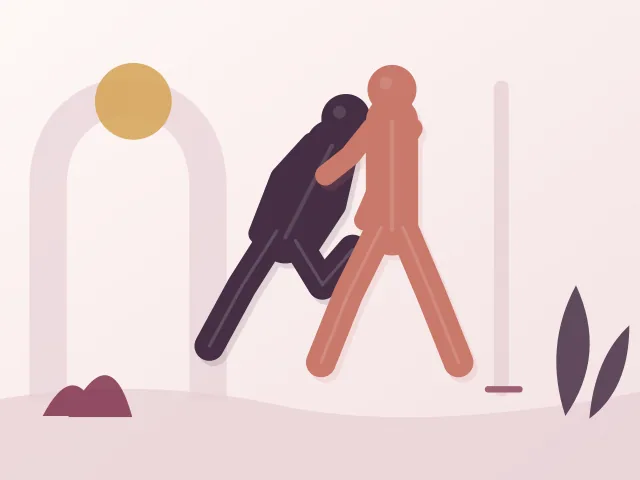
The Cane
A position where the man firmly holds the woman by the waist, resembling a cane to stabilize the penetration.
View guide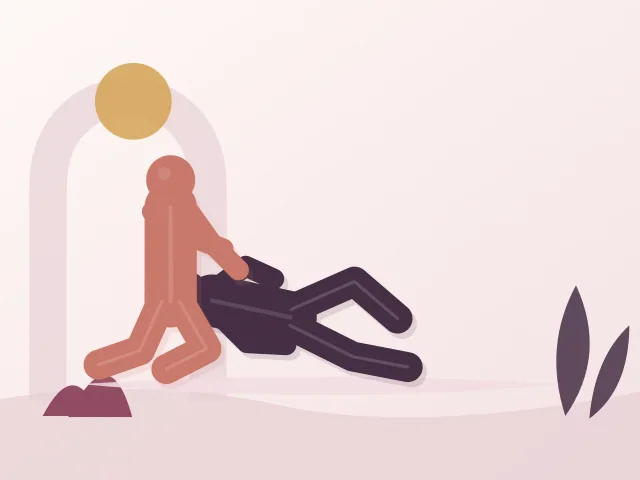
The Flounder
A position where the woman lies on her side and the man kneels behind her, mimicking the flat shape of a flounder.
View guide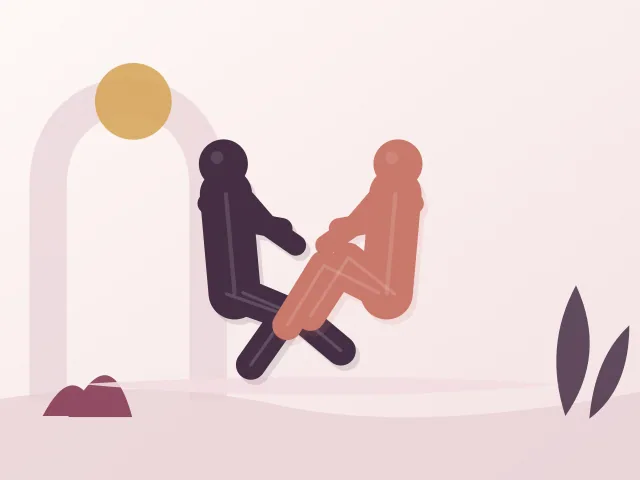
The Mushroom
A position where the woman sits cross-legged and the man sits facing her, creating a mushroom shape.
View guide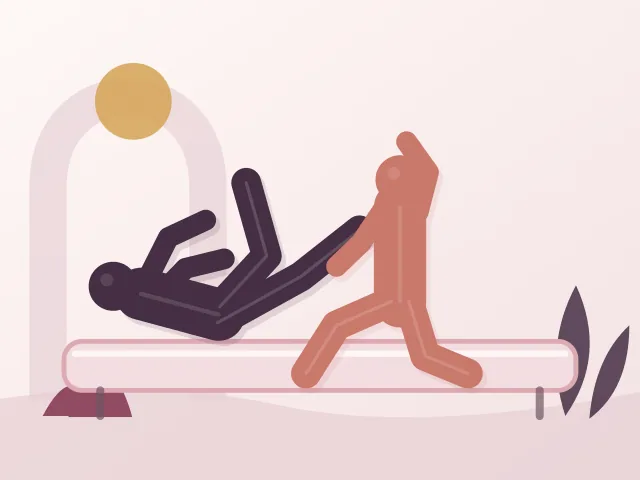
The Horn
A position where partners form a curve, arms spread like horns, allowing varied penetration.
View guide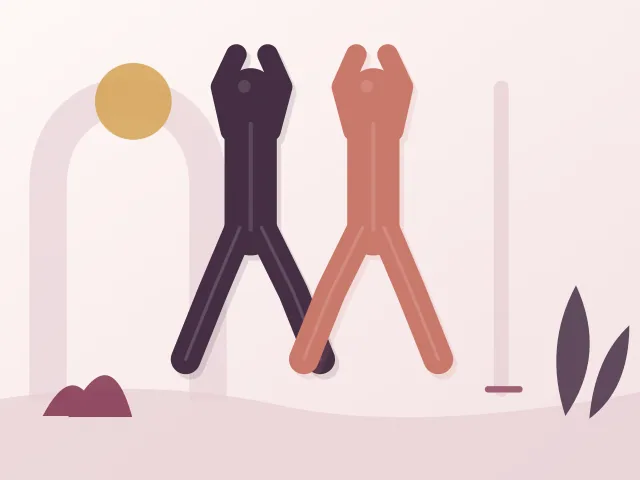
The Bell
A position where partners stand face to face, arms raised and extended, resembling an open bell.
View guide
The Swan
An elegant position where the woman is supported by the man, mimicking the grace of a swan.
View guide
The Gust
An energetic position where partners move swiftly, mimicking a powerful gust of wind.
View guide
The Waterfall
A fluid position where the woman lies on her back with slightly elevated legs, mimicking a flow of water.
View guide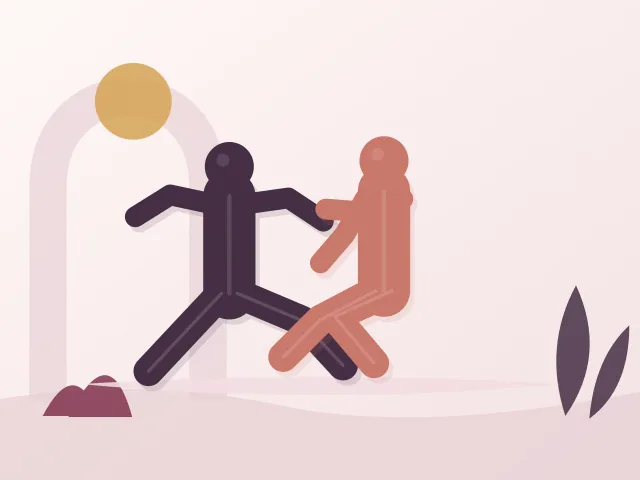
The Nymph
A graceful position where the woman sits facing the man, surrounded by open arms like the wings of a nymph.
View guide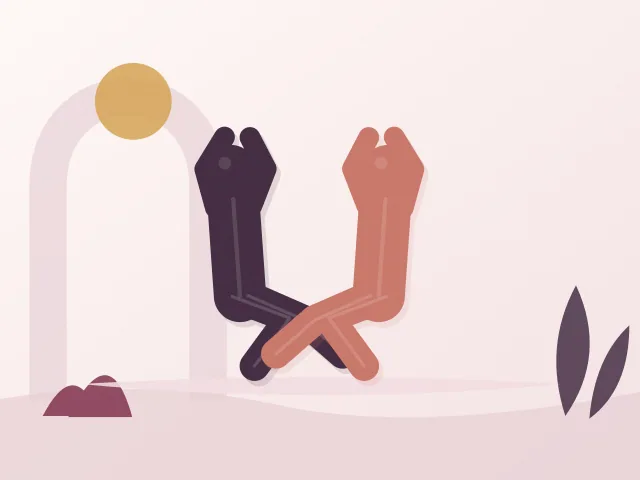
The Lotus Flowers
A sophisticated position where partners sit in lotus, legs crossed and hands intertwined like lotus petals.
View guide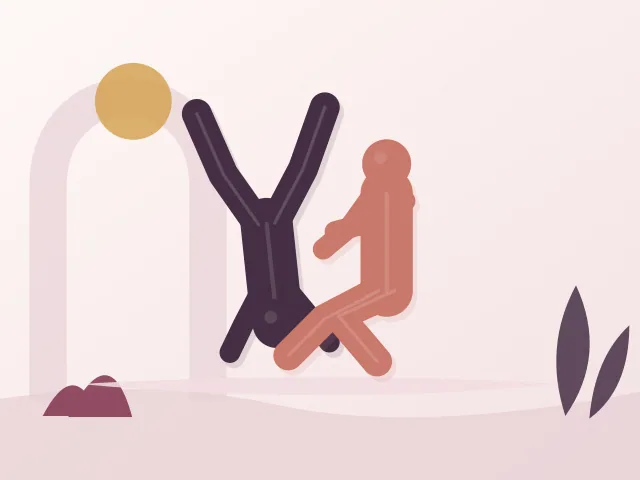
The Inverted Lotus
A variation of the Lotus position where partners are inverted, creating a different dynamic.
View guide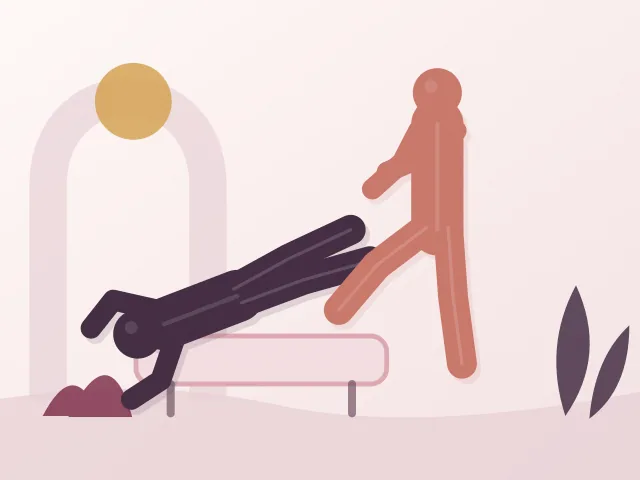
The Kite
A position where the woman is tied or supported, allowing the man to maneuver her like a kite.
View guide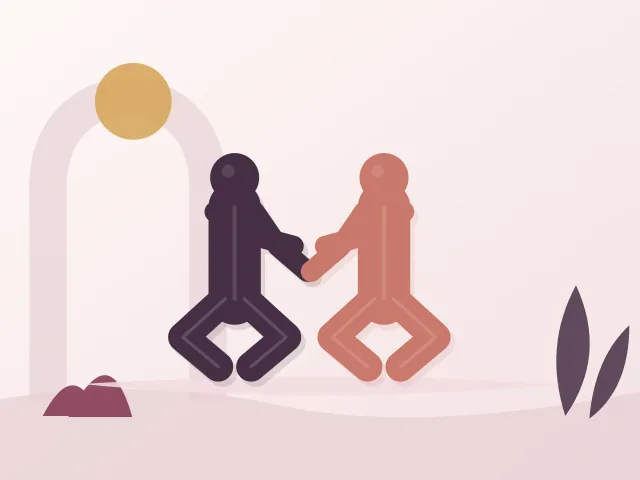
The Owl
A nocturnal position where partners adopt a calm and observant posture, similar to an owl.
View guide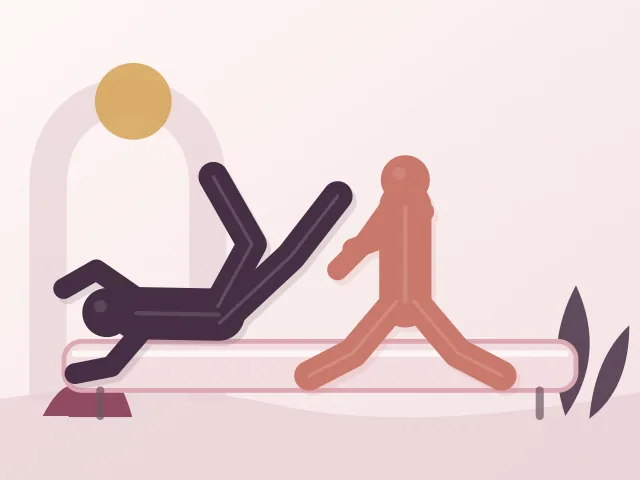
The Peacock
A flamboyant position where partners display their beauty and grace, similar to a peacock spreading its feathers.
View guide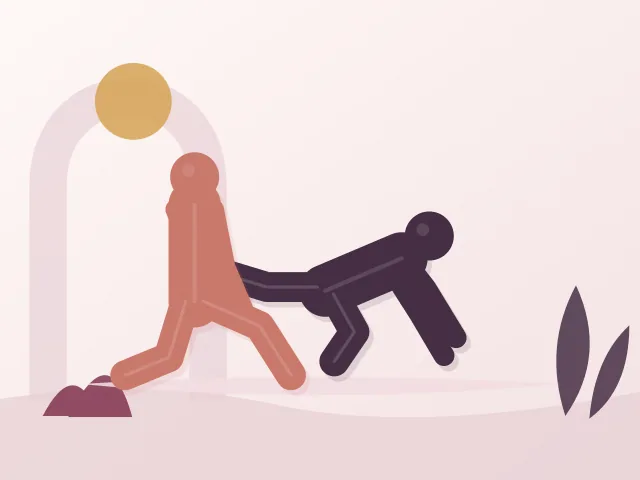
The Tiger
A powerful and dynamic position where the man controls the movements, reminiscent of a tiger's strength.
View guide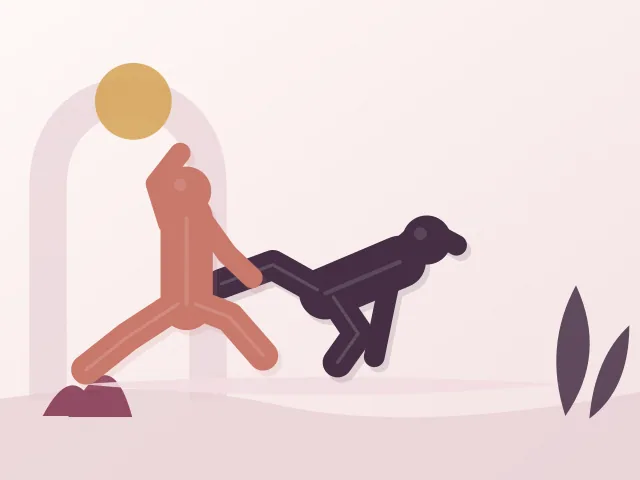
The Monkey
A playful position where the woman is on all fours and the man plays with her legs, mimicking the movements of a monkey.
View guide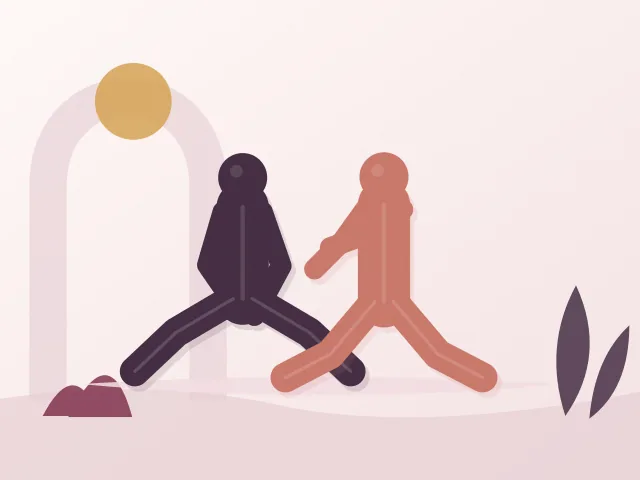
The Frog
A position where the woman squats with legs spread, while the man penetrates her facing her.
View guide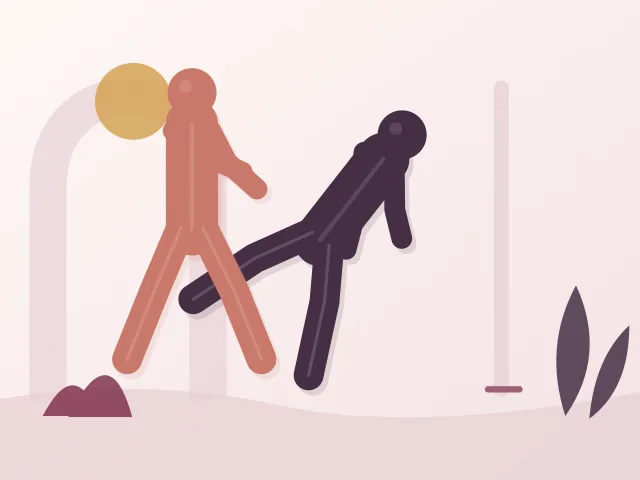
The Fox
An agile position where the man stands back while the woman guides the movements with flexibility.
View guide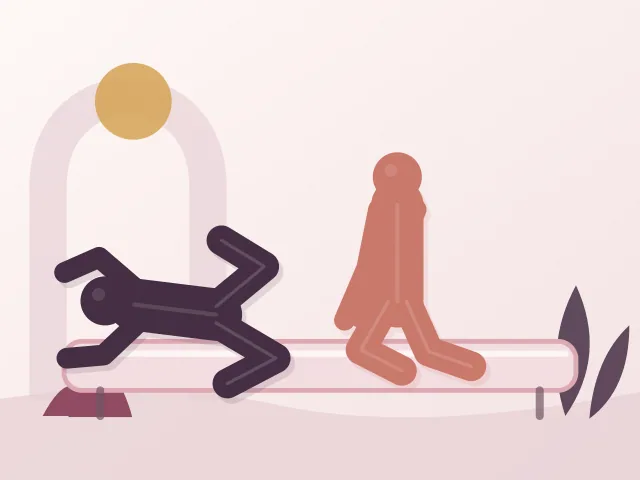
The Black Butterfly
A variation of the Butterfly with a mysterious touch, where partners add elements of darkness and elegance.
View guide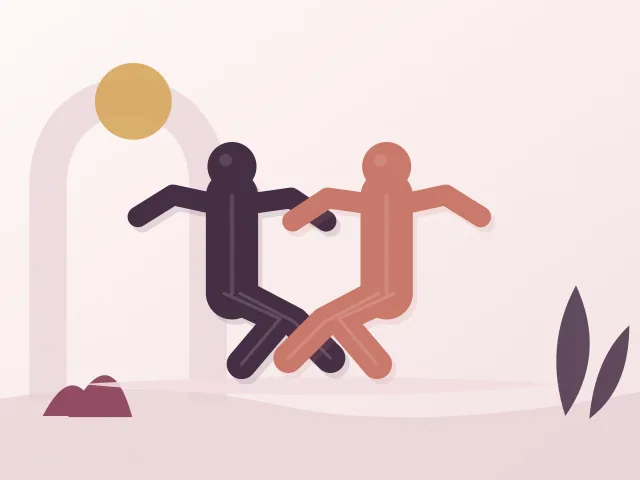
The Double Lotus
A symmetrical position where both partners sit in lotus, promoting balance and harmony.
View guide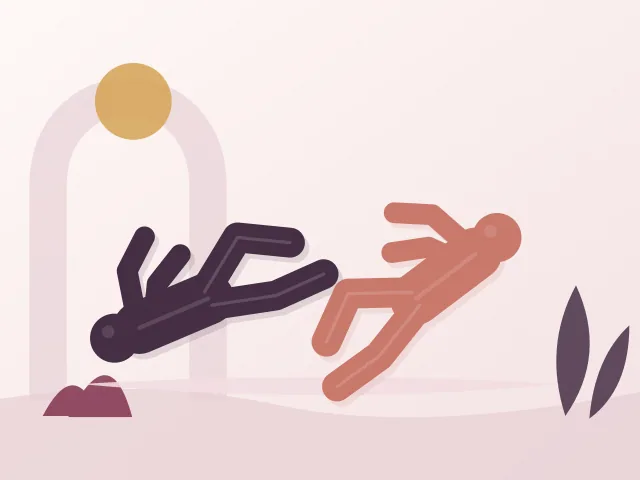
The Zodiac
A position inspired by constellations, where partners create symbolic shapes with their bodies.
View guide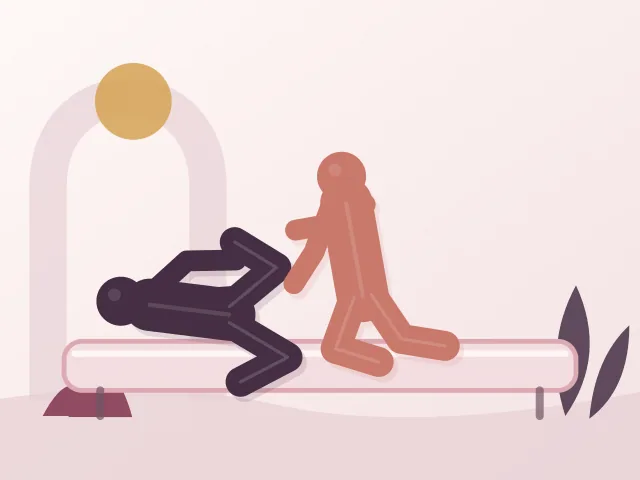
The Poppy
A delicate position where partners gently embrace, evoking the fragility and beauty of poppies.
View guide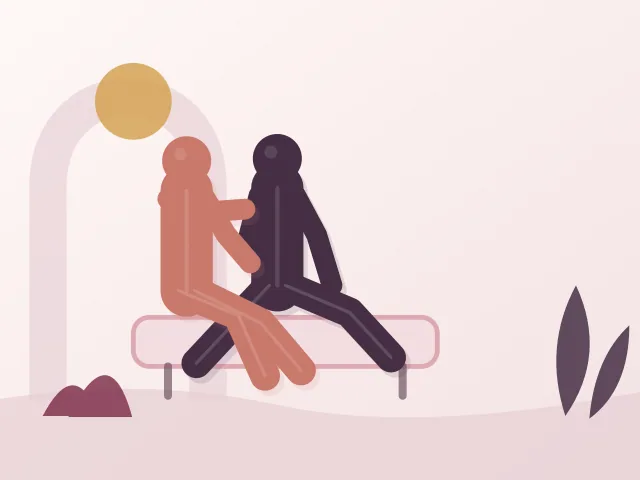
The Tuareg
A position inspired by Tuareg culture, combining tradition and modernity in a harmonious dance.
View guide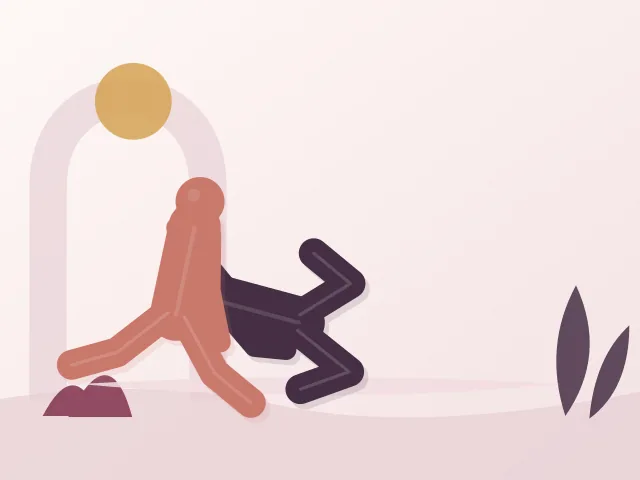
The White Tiger
An elegant variation of the Tiger, where partners add elements of purity and grace to their movements.
View guide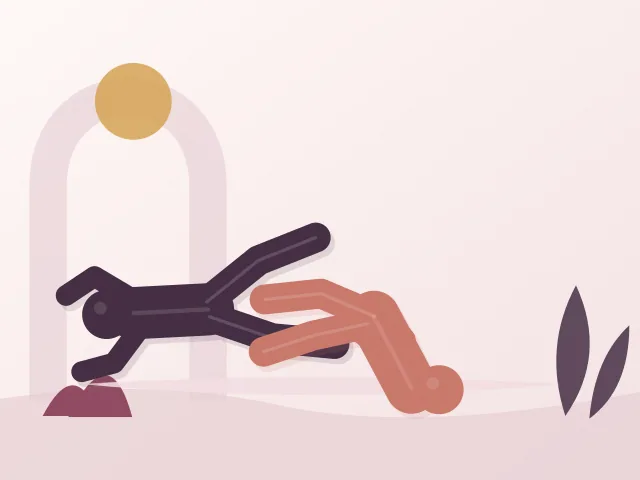
The Star Shower
A sparkling position where partners mimic the falling of stars, creating a magical and romantic atmosphere.
View guide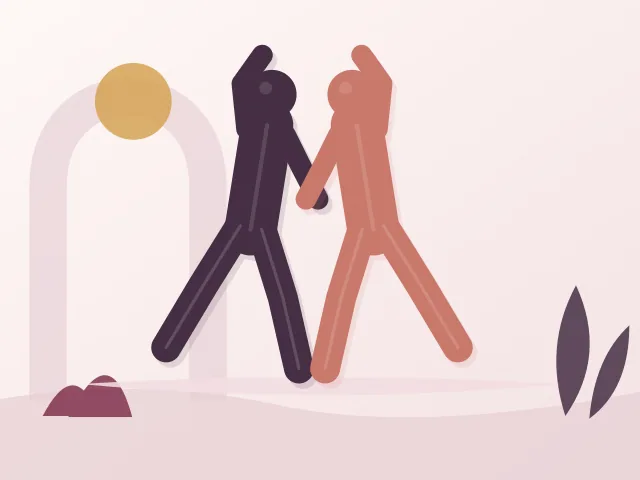
The Hourglass
A balanced position where partners form an hourglass silhouette, promoting rhythmic and controlled penetration.
View guide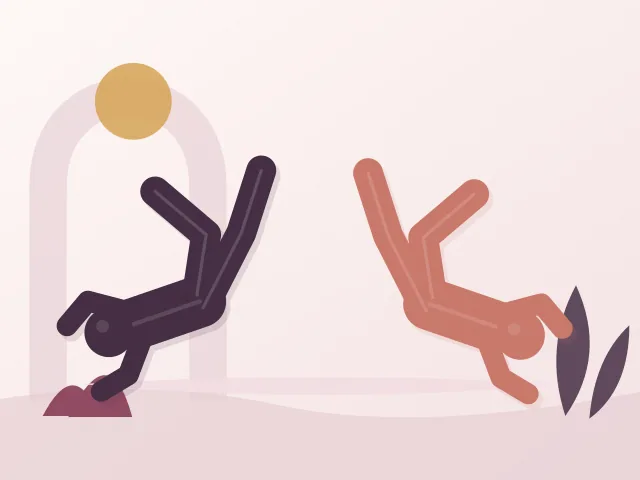
The Cosmos
An expansive position where partners embrace the universe with fluid and open movements.
View guide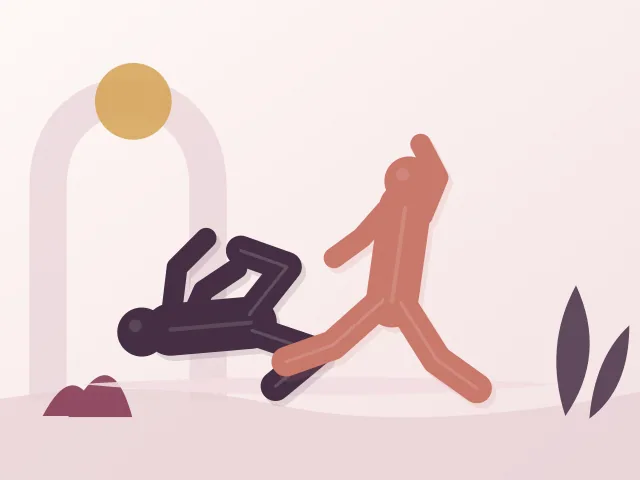
The Bubble
A position where the woman lies on her back with slightly elevated legs, creating a round shape resembling a bubble.
View guide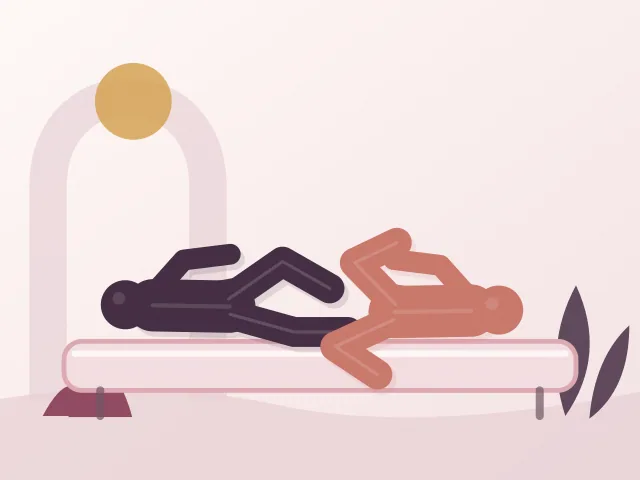
The Rose Petals
An elegant position where partners are surrounded by light fabrics, reminiscent of rose petals.
View guide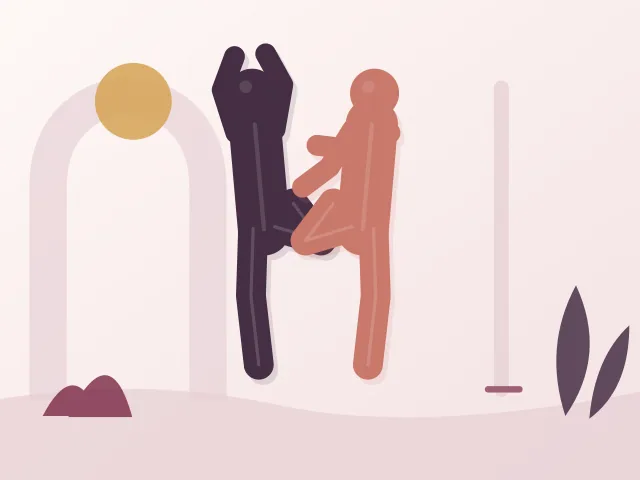
The Vine
A flexible position where partners entwine around each other like vines, allowing varied penetration.
View guide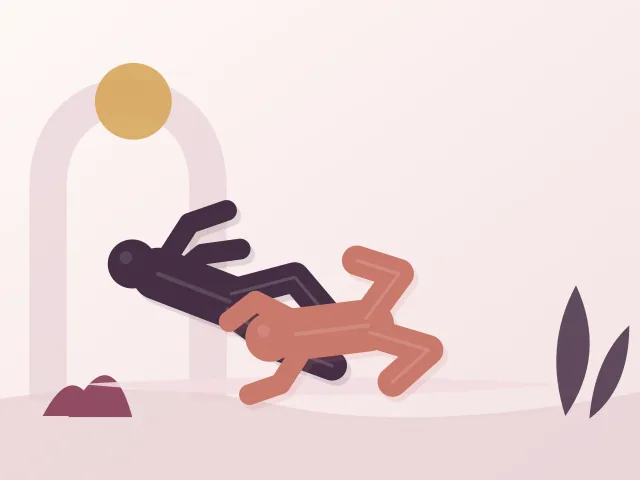
The Serpent
A sinuous position where partners move in a wavelike motion, reminiscent of a serpent's movement.
View guide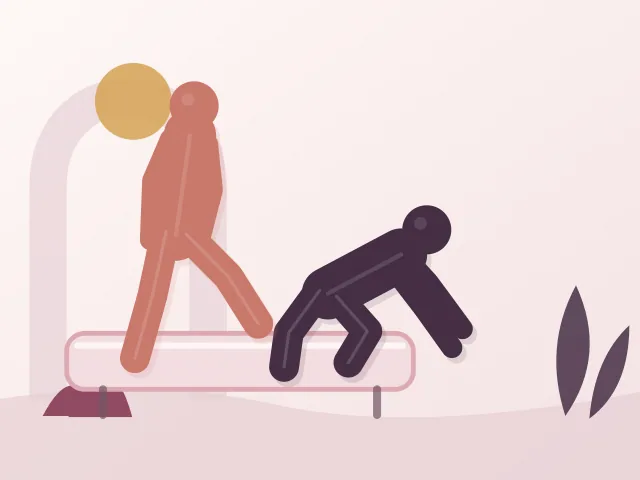
The Shark
A powerful and swift position where the man guides the woman's movements vigorously, reminiscent of a shark's strength.
View guide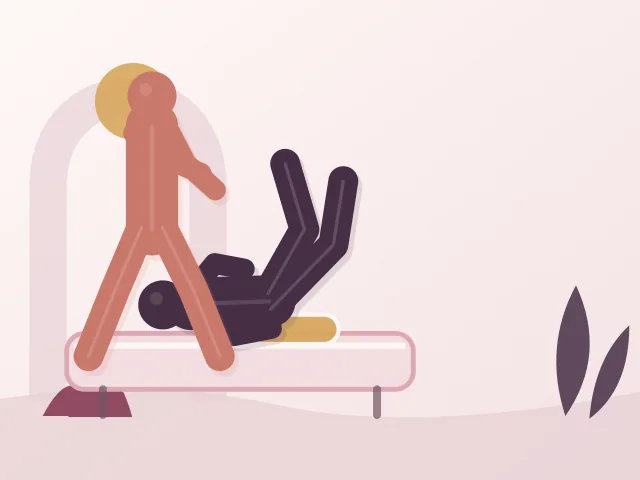
The Dolphin
A position where the woman is supported by cushions under her hips, while the man stands behind her, mimicking a dolphin swimming.
View guide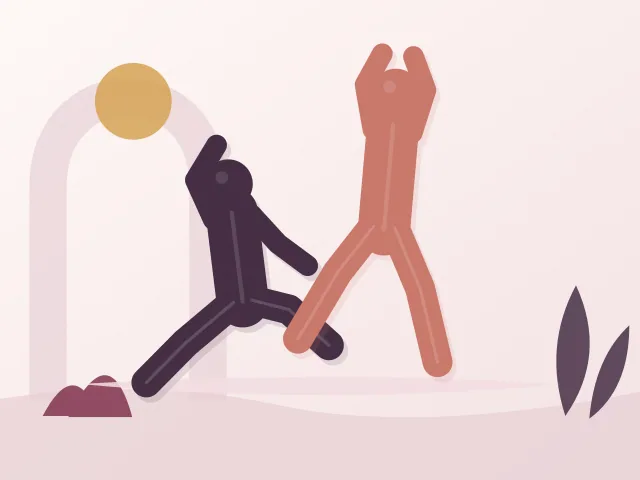
The Phoenix
A symbolic position where partners renew their connection, similar to the rebirth of a phoenix.
View guide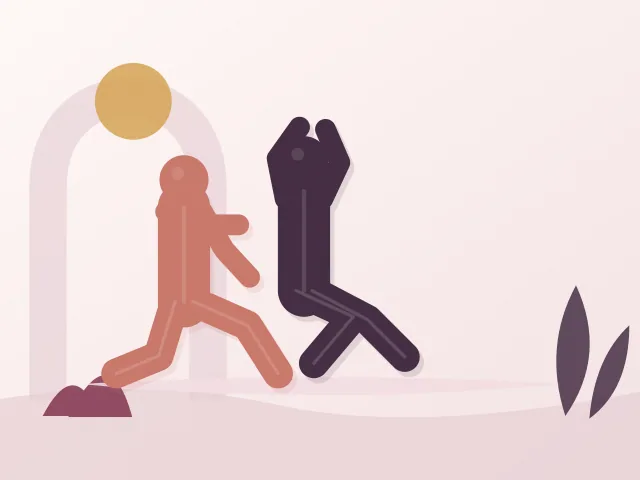
The Lotus-Shark
A fusion of the Lotus and Shark positions, combining elegance and power for a unique experience.
View guide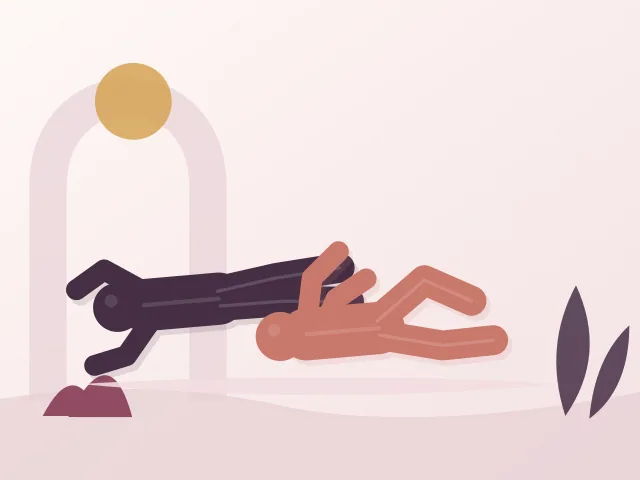
The Zephyr
A light and airy position where partners seem to float, inspired by the gentle zephyr wind.
View guideThe Origin of the Kamasutra: A Journey Through Time and Culture
The Kamasutra is much more than a simple manual of sexuality; it is a literary and philosophical work that has profoundly influenced Indian culture and beyond. This article explores the origin of the Kamasutra, its place in culture, its meaning, and its traces through history, offering an in-depth understanding of this iconic text.
Origin of the Kamasutra
Historical Roots
The Kamasutra originated in ancient India, specifically during the Indian classical period. Written in Sanskrit, the text is attributed to the sage Vatsyayana, who is believed to have lived between the third and fifth centuries CE. Vatsyayana drew on oral traditions and earlier texts to compose a work addressing various aspects of human life, including love, relationships, and society.
Cultural and Social Context
In Vatsyayana’s time, Indian society was structured around the systems of varnas and ashramas, which defined social roles and stages of life. The Kamasutra belongs to this context by exploring kama, or human desire, and its place in a life balanced between dharma (duties) and artha (prosperity).
The Kamasutra: What Is It?
Definition and Structure
The Kamasutra is often mistakenly perceived as a simple sex guide. In reality, it is a comprehensive treatise on the art of living, covering themes such as courtesy, seduction, marital relationships, and managing emotions. The work is structured into seven main sections, each dealing with a specific aspect of romantic and social life:
- Introduction : Presentation of the three aims of life according to Indian philosophy.
- Love and Relationships : Exploration of different forms of love and relationship dynamics.
- Strategies of Seduction : Techniques and advice for attracting someone and maintaining a relationship.
- Sociability and Etiquette : Rules of social conduct and courtesy.
- Managing Relationships : Conflict management and the maintenance of marital harmony.
- Sexuality and Pleasure : Various aspects of human sexuality.
- Sexual Positions : Descriptions of different sexual positions, often given disproportionate prominence in popular culture.
Underlying Philosophy
The Kamasutra takes a holistic view of life, in which pleasure and desire are recognised as legitimate aspects of human existence. It is not only about physical satisfaction, but also emotional and spiritual development through harmonious relationships.
The Place of the Kamasutra in Culture
Impact on Indian Society
Since its creation, the Kamasutra has played a significant role in Indian society by influencing social norms and relationship practices. It has served as a reference for romantic courtesy, marital etiquette, and even the architecture of homes designed to encourage harmonious relationships.
International Influence
With globalisation and the translation of the Kamasutra into many languages, Vatsyayana’s work has transcended cultural boundaries. It has become a universal reference on sexuality and relationships, inspiring discussions about sexual freedom, equality in relationships, and the diversity of expressions of love.
The Kamasutra in Literature and the Arts
The Kamasutra has also influenced literature, cinema, and the visual arts. Artistic works inspired by its elegant and detailed descriptions of human interactions attest to its enduring importance. It has also inspired modern adaptations that seek to redefine and reinterpret its concepts for a contemporary audience.
Historical Traces of the Kamasutra
Transmission and Preservation
Over the centuries, the Kamasutra was transmitted mainly in manuscript form. Many commentators and scholars added annotations and interpretations, thereby enriching the original text. These contributions helped preserve the Kamasutra through the ages, despite social and political upheaval.
Rediscovery and Modern Translations
The Kamasutra was rediscovered by Westerners in the nineteenth century, when archaeological missions and translators began to take an interest in ancient Indian literature. The English translation by Sir Richard Burton in 1883 played a crucial role in spreading the work worldwide.
Contemporary Adaptations
In modern times, the Kamasutra has been adapted to meet the needs and expectations of contemporary societies. Simplified versions and modern interpretations have been created to make the text more accessible and relevant while respecting the essence of the original work.
The Kamasutra Today: Relevance and Controversies
Education and Sexual Well-being
The Kamasutra continues to be a valuable resource for sexual education and relationship well-being. Many educators and therapists use its teachings to promote healthy and fulfilling relationships, emphasising the importance of communication, mutual respect, and understanding each person’s desires.
Controversies and Misunderstandings
Despite its richness, the Kamasutra is often misunderstood. The excessive focus on sexual positions has sometimes overshadowed its true teachings about emotional connection and relationship dynamics. Some interpretations may also be seen as outdated or unsuited to modern standards, prompting debate about its contemporary application.
Reinvention and Modernisation
In response to criticism and social change, many modern works draw inspiration from the Kamasutra while reinventing its concepts. These adaptations seek to align the teachings of the ancient text with current values such as gender equality, sexual diversity, and individual autonomy.
Conclusion: The Enduring Legacy of the Kamasutra
The Kamasutra remains an iconic work that transcends eras and cultures. By exploring the origin, cultural place, and historical traces of this text, it becomes clear that the Kamasutra is much more than a simple sex guide. It is a profound reflection on human nature, relationships, and the pursuit of harmony in life. Its legacy continues to influence current generations, offering timeless teachings about love, desire, and relationship well-being.
Future Perspectives
In the future, the Kamasutra may continue to evolve, incorporating new perspectives and adapting to social change. Whether through literature, education, or the media, its potential influence remains vast, promising to guide and inspire people in their quest for a fulfilling and balanced love life.
Sources and context
The Kamasutra beyond the clichés
The Kamasutra is a Sanskrit treatise attributed to Vātsyāyana, probably compiled in the early centuries CE. Positions are only one part of it: the work also discusses desire, social life and relationships in the context of ancient India.
Editorial policyHow to use this atlas
Start with a level that suits your support and mobility. A posture is never a performance goal: adjust the angle, add a cushion and change position as soon as comfort decreases.
Consent and communication
Clear, freely given and reversible agreement is essential. Discuss pace, boundaries and stop signals beforehand, then keep checking that everyone feels comfortable.
Modern names, ancient context
Many popular labels are modern and vary from one book to another. We present them as descriptive signposts while separating editorial convention from the historical text.